

Hospice Care for ALS
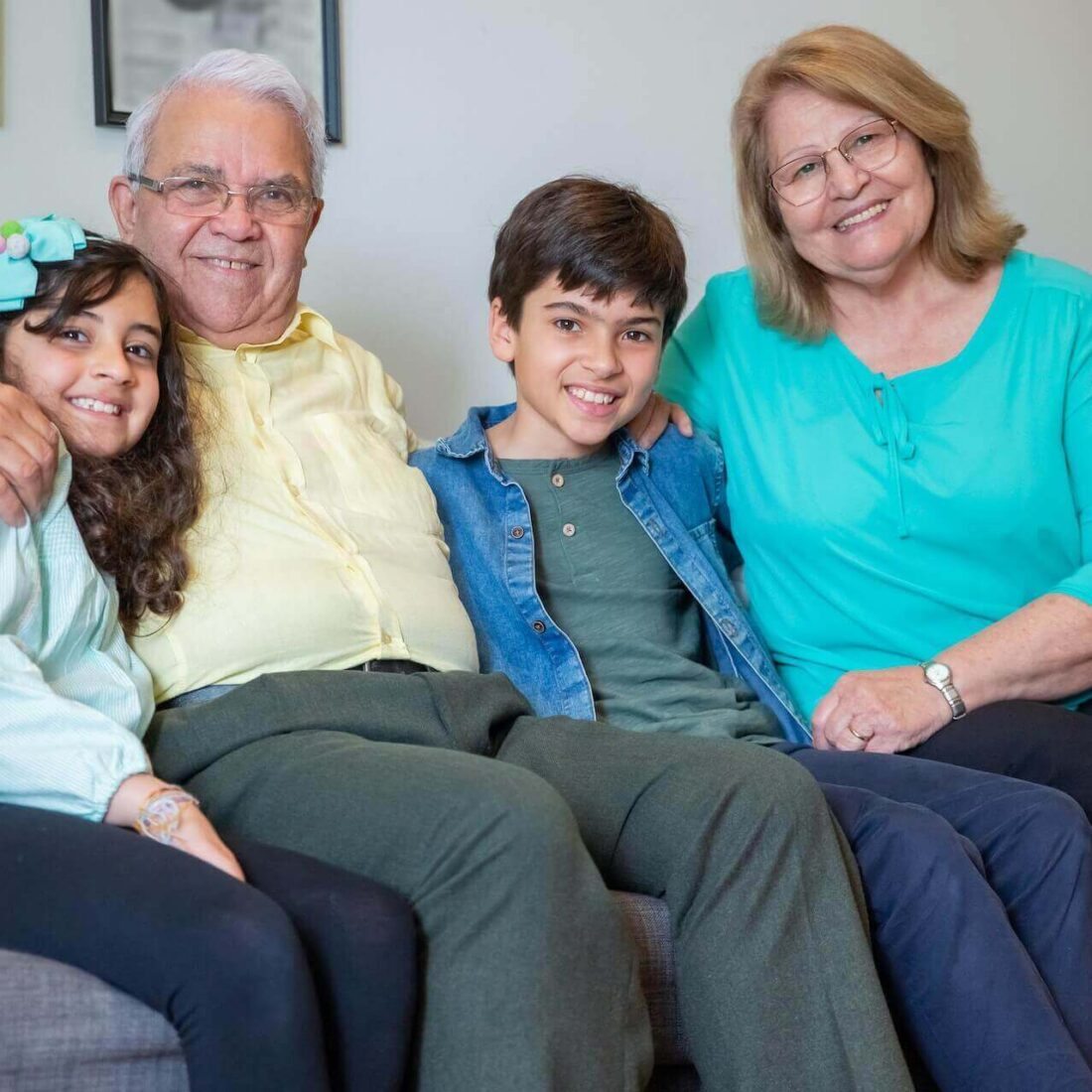
ALS gradually silences muscles—but it never has to silence dignity. Specialized hospice teams step in when daily life feels more like endurance than living, easing symptoms and wrapping families in steady, round‑the‑clock help.
🧠 Supporting Someone with a Neurological Condition? Let Hospice Help.
Diseases that affect the brain and nervous system—like ALS, Parkinson’s, or advanced dementia—can bring many changes, and they’re often hard to face alone. If you’re starting to think about hospice care, Cadre Hospice is here to support you with clarity, comfort, and compassion every step of the way.
🧩 Signs Hospice May Help with Neurological Disease
It can be difficult to know when the time is right for hospice care. One major sign is when someone has serious trouble with breathing, swallowing, or speaking clearly. As conditions like ALS or advanced dementia progress, a person may spend most of the day in bed or a chair, needing help with basic activities like bathing, eating, or using the bathroom.
Other signs that hospice may help include:
- Frequent infections like pneumonia or sepsis that are hard to recover from.
- Weight loss, dehydration, or very low blood protein levels (albumin under 2.5).
- Difficulty eating or staying nourished without a feeding tube.
- Painful skin breakdowns like pressure ulcers.
- The presence of other illnesses like heart or lung disease that make daily life even harder.
These signs show that the illness is progressing and daily life is becoming more difficult. Hospice care steps in to improve comfort, manage symptoms, and support the entire family through this time.
🌱 The Benefits Hospice Offers Your Family
Hospice care provides relief and support at a time when you need it most:
- Comfort-Focused Care: We help manage symptoms and provide relief from discomfort.
- At-Home Support: Most care happens right where your loved one lives.
- Family-Centered Support: We provide emotional and practical help to everyone involved.
- A Skilled Team on Your Side: Our hospice nurses, social workers, and doctors offer trusted guidance and compassionate care.
❤️ Next Step: We’re Here for You
When someone you care for is living with an advanced neurological disease, it can feel like everything is changing. But you’re not alone. Cadre Hospice is here to bring peace, dignity, and support to your loved one—and to you. Whether you’re ready to begin care or just want to learn more, we’re here to help.
Reach out today. We’re here to help.
Cadre Hospice – Supporting Families with Compassion Every Day.
What ALS Steals—and How Hospice Gives Back
- Mobility fades. Walking, turning in bed, and even holding a fork become exhausting.
- Speech slips away. Weak facial and throat muscles make words—and swallowing—hard.
- Breathing weakens. Lungs struggle to move air; many people need BiPAP or full ventilation.
Hospice focuses on the comfort side of the ledger—so each remaining day feels less like a struggle and more like time well spent together.
Signs It’s Time to Explore Hospice
Eligibility hinges on a physician’s six‑month prognosis, but these red‑flag milestones usually start the conversation:
- Rapid decline over the past year—fewer steps, weaker grip, quicker fatigue.
- Breathlessness at rest or dependence on mechanical ventilation.
- Nutrition issues: choking on thin liquids, feeding‑tube discussions, or unplanned weight loss.
- ADL dependence: dressing, bathing, or toileting now require hands‑on help.
- Serious complications such as aspiration pneumonia, infected pressure sores, or recurrent sepsis.
If two or more boxes above are checked, it’s wise to schedule a no‑pressure hospice consult.
What Hospice Delivers
For the Person Living With ALS
- Breath‑ease care. Respiratory therapists fine‑tune BiPAP settings and teach calming positions that make air hunger less frightening.
- Pain & symptom relief. Nurses adjust meds for muscle cramps, stiffness, and anxiety.
- Daily‑living support. Aides help with bathing, grooming, and meals, protecting dignity when muscles can’t.
- Equipment & supplies. Beds, lift slings, suction kits—delivered, set up, and maintained.
For Their Circle of Care
- 24/7 nurse line. Questions at 2 a.m.? A nurse answers—and will visit if needed—to keep panic and ER trips at bay.
- Hands‑on coaching. We walk caregivers through safe transfers, feeding‑tube care, and skin checks.
- Respite breaks. Scheduled short‑term relief lets family members rest or keep personal appointments.
- Emotional & spiritual care. Counselors and chaplains guide tough conversations and provide grief support for up to 13 months.
Cadre Hospice Locations
Cadre Hospice serves communities across the country, providing compassionate hospice care in the setting that’s best for each patient, at home, a family member’s home, or a medical facility.
Every breath matters. Let’s make each one as peaceful and meaningful as it can be.

Personalized Plans—Because No Two ALS Journeys Match
Care is tweaked visit by visit: more visits when breathing worsens, new nutrition plans if swallowing changes, and different counseling as emotions shift.
Making the Transition Smooth
Frequent hospital runs, increasing caregiver burnout, or a noticeable dip in quality of life often signal it’s time. Your neurologist or primary doctor can write the referral; the hospice team takes it from there, handling insurance, equipment orders, and scheduling—so you don’t have to.


Ready for Straight Answers and Gentle Guidance?
Reach out any hour. A hospice nurse will listen, explain options in plain language, and help you decide what feels right—no obligation, just support.